Market Research, Market Size, Market Research Report, Market Share, Market Analysis, Market Growth,

Thursday, March 10, 2022

Medical Exoskeleton | Global Market Analyze by Growth Analysis, Trends and Regions 2023

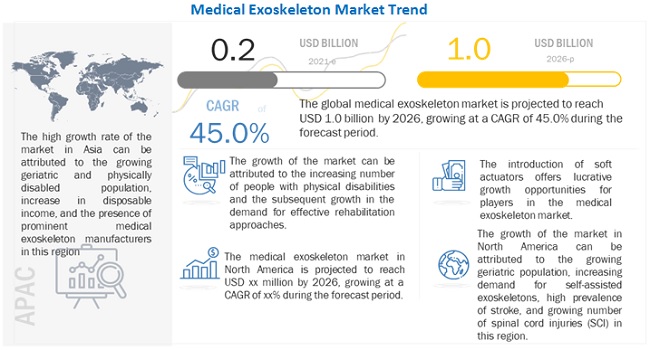
According to the new market research report “Medical Exoskeleton Market by Component (Hardware (Sensor, Actuator, Control System, Power Source), Software), Type (Powered, Passive), Extremities (Lower, Upper and Full Body) & Mobility (Mobile, Stationary) – Global Forecasts to 2026″, published by MarketsandMarkets™, is projected to reach USD 1.0 billion by 2026, from USD 0.2 billion in 2021, at a CAGR of 45.0%.

Browse in-depth TOC on “Medical Exoskeleton Market”

96 – Tables
38 – Figures
178 – Pages

Download PDF Brochure: https://www.marketsandmarkets.com/pdfdownloadNew.asp?id=138546702
Medical Exoskeleton Market

The growth of this market is mainly driven by factors such as the increasing number of people with physical disabilities and subsequent growth in the demand for effective rehabilitation approaches; agreements and collaborations among companies and research organizations for the development of the exoskeleton technology, and increasing insurance coverage for medical exoskeletons in several countries driving the growth of the medical exoskeleton market. However, the high cost of medical exoskeletons may restrict market growth to a certain extent.

The companies have a large market spread across various countries in North America, Europe, Asia, and the Rest of the World.

Impact of Covid-19 on The Medical Exoskeleton Market

As of September 2021, more than 220 million confirmed cases of COVID-19 were reported globally, with more than 4.5 million deaths (Source: WHO). This situation has compelled governments across the world to take proactive measures to contain the outbreak.

The COVID-19 pandemic had a negative impact on the market in 2020, with small and medium-sized companies struggling to sustain their businesses. The medical exoskeleton market is witnessing a variable growth trend, with some countries offering some growth potential while others are facing closures and low profit margins. Major exoskeleton providers, such as Ekso Bionics, ReWalk Robotics, and Hocoma AG, have incurred a reduction in overall revenue for the fiscal year 2020 due to a decline in the demand for exoskeleton systems. Manufacturers are likely to adjust production to prevent bottlenecks and plan production according to the demand from OEMs. Tier 1 players experienced a decline in revenue in the remaining quarters of 2020. Moreover, medical exoskeleton manufacturers are facing disruptions in supply chains as countries are under lockdown to prevent the spread of the disease.

Request Sample Pages: https://www.marketsandmarkets.com/requestsampleNew.asp?id=138546702

The hardware segment accounted for the largest share 78.6% of the medical exoskeleton market

by component, segmented into hardware and software. The hardware segment is expected to account for the largest share 78.6% of the medical exoskeleton market in 2020. The dominant share of this segment is attributed to the fact that a large number of parts such as sensors, actuators, power sources, and control systems are required to manufacture exoskeletons.

The lower extremity segment accounted for the largest share 63.0% of the medical exoskeleton market

By extremity, segmented into lower extremity medical exoskeletons and upper extremity medical exoskeletons and Full Body extremity medical exoskeletons. In 2020, the lower extremity medical exoskeletons segment is expected to account for a larger share of 63.0% of the market. Lower extremity exoskeletons provide stability to paralyzed and geriatric patients and offer weight-bearing and locomotion capabilities. As a result, their adoption is higher in the rehabilitation of patients.

Speak to Analyst: https://www.marketsandmarkets.com/speaktoanalystNew.asp?id=138546702

North America accounted for the largest share 44.4%. of the global medical exoskeleton market

Based on the region, segmented into North America, Europe, Asia, and the Rest of the World (RoW). In 2020, North America is expected to dominate the market with a share of 44.4%. The growing geriatric population, increasing demand for self-assist exoskeletons, high prevalence of stroke, and growing number of spinal cord injuries (SCI) are the key factors driving the growth of the exoskeleton market in this region.

Some of the leading players in the Medical exoskeleton market include Key players in this market are Ekso Bionics Holdings, Inc. (US), ReWalk Robotics Ltd. (Israel), Parker Hannifin Corp (US), CYBERDYNE Inc. (Japan), Bionik Laboratories Corp (Canada), Rex Bionics Ltd. (UK), B-TEMIA Inc. (Canada), Hocoma AG (a subsidiary of DIH Technologies) (Switzerland), Wearable Robotics SRL (Italy), Gogoa Mobility Robots SL (Spain), and ExoAtlet (Luxembourg).

Wednesday, March 9, 2022

Laboratory Gas Generators Market - Industry Size, Share, Growth, Trend and Forecast

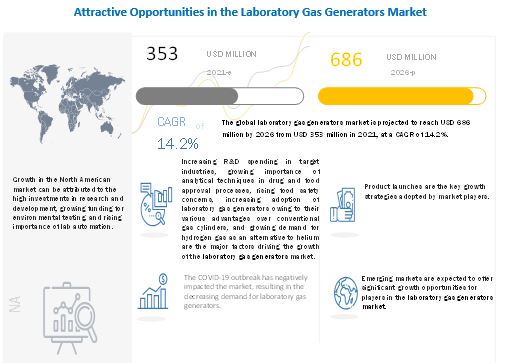
The Research Report on “Laboratory Gas Generators Market by type (Nitrogen, Hydrogen, Zero Air, Purge Gas, ToC), Application (Gas Chromatography, LC-MS), End user (Life Science Industry, Chemical & Petrochemical Industry, Food & Beverage Industry) – Global Forecast to 2026″, the global lab gas generators market is projected to reach USD 686 million by 2026 from USD 353 million in 2021, at a CAGR of 14.2% during the forecast period.

Growth Driver: Opportunities in the life sciences industry;

The demand for the analytical testing of cannabis for ensuring its safety before human consumption has increased in recent years, as medical cannabis is being legalized in a number of countries/states across the globe. Medical cannabis has proven effective in various medical applications, such as reducing nausea caused due to chemotherapy, stimulating appetite in AIDS patients, controlling muscular spasms in multiple sclerosis patients, and reducing intraocular pressure in patients with glaucoma. Owing to their health benefits, governments in various countries are legalizing the use of medical cannabis. Australia (2016), Canada (2015), South Korea (2018), Portugal (2001), the UK (2006), Germany (2017), Italy (2013), the Netherlands (2003), and Brazil (2017) have all legalized the use of medical cannabis in recent years.

Download PDF Brochure: https://www.marketsandmarkets.com/pdfdownloadNew.asp?id=133302129

Laboratory Gas Generators Market

Industry Segmentation In Detailed:

Nitrogen gas generators accounted for the larger share of the share of global laboratory gas generators market in 2020

Based on type, segmented into nitrogen gas generators, hydrogen gas generators, zero air generators, purge gas generators, TOC gas generators, and other gas generators. The nitrogen gas generators segment accounted for the largest share of global lab gas generators market. This can be attributed to factors such as cost-efficiency, increased safety, reduced downtime and supply issues, environmental benefits, and its wide usage among end users.

The liquid chromatography-mass spectrometry (LC-MS) segment accounted for the largest market share in 2020

Based on application, segmented into gas chromatography (GC), liquid chromatography-mass spectrometry (LC-MS), gas analyzers, and other applications. The liquid chromatography-mass spectrometry (LC-MS) accounted for the largest share of the global laboratory gas generators market. The large share of this segment can be attributed to the high efficiency and the expandable and scalable nitrogen generation capacity of generators in LC-MS applications.

Request Sample Pages: https://www.marketsandmarkets.com/requestsampleNew.asp?id=133302129

Leading Key Players and Analysis:

The major players in the laboratory gas generators market are Parker Hannifin Corporation (US), PeakGas (UK), Linde plc (Ireland), Nel ASA (Norway), PerkinElmer Inc. (US), VICI DBS (US), Angstrom Advanced Inc. (US), Dürr Group (Germany), ErreDue spa (Italy), F-DGSi (France), LabTech S.r.l. (Italy), CLAIND S.r.l. (Italy).

PeakGas is one of the prominent players in the laboratory gas generators market. The leading position of the company can be attributed to its strong brand recognition and extensive product portfolio in this market. Peak’s two decades of experience in manufacturing laboratory gas generators gives it a cutting edge over other players operating in this market.

The company majorly focuses on organic growth strategies to maintain its foothold in the market. For instance, the company launched a range of gas generators in 2020, such as Genius XE SCI 2, MS Bench (G) SCI 2, MS Bench SCI 2, and i-Flow O2 oxygen gas generator. In order to increase its geographic presence and meet the growing customer demand, the company expanded its presence in the European and Asian markets.

Geographical Analysis in Detailed:

The laboratory gas generators market is divided into five regions, namely, North America, Europe, Asia Pacific, and Rest of the World. North America dominated the global lab gas generators market. The large share of the North American region is mainly attributed to the high investments in R&D in the US and Canada, which has led to a higher demand for efficient and advanced laboratory equipment.

Speak to Analyst: https://www.marketsandmarkets.com/speaktoanalystNew.asp?id=133302129

Tuesday, March 8, 2022

Fiducial Markers Market - Growth by Top Key Players, Segmentation and Forecast Analysis

The Research Report on “Fiducial Markers Market by Product (Metal Based Markers (Gold, Gold Combination) Polymer Markers), Cancer Type (Prostate, Lung, Breast), Modality (CT, CBCT, MRI, Ultrasound), End user (Hospitals, Outpatient Facilities) – Global Forecast to 2025″, is projected to reach USD 123 million by 2025 from USD 95 million in 2019, at a CAGR of 4.5% from 2019 to 2025.

Recent Developments:

  • In 2019, Stratpharma AG (Switzerland) expanded its agreement with CIVCO (US) to distribute CIVCO’s radiotherapy solutions globally
  • In 2019, IZI Medical Products (US) acquired the RadioMed division of IBA (Belgium), which manufactures the VISICOIL implantable fiducial markers
  • In 2018, Nanovi A/S (Denmark) secured USD 2.23 million from existing investors to expand its business and introduce BioXmark in the European market

Download PDF Brochure: https://www.marketsandmarkets.com/pdfdownloadNew.asp?id=180673710

Fiducial Markers Market


Industry Segmentation In Detailed:

The metal-based FMs product segment to register significant growth over the forecast period

Based on product, the fiducial markers market is classified into metal-based markers, polymer-based markers, and others. The metal-based markers segment is expected to register significant growth over the forecast period of 2019 to 2025. The adoption of radiotherapy has increased in recent years due to its advantages, such as high precision & radiation control, reduced risk of side-effects, and minimal exposure of healthy tissues to radiation. As metal-based FMs are widely preferred for tumor localization, the rising adoption of radiotherapy procedures is expected to support market growth.

The CT/CBCT modality segment is projected to hold the largest share of the market during the forecast period of 2019 to 2025

On the basis of modality, the fiducial markers market is classified into CT/CBCT, MRI, ultrasound, and radiotherapy. CBCT is preferred for prostate and lung cancer indications, as it effectively detects changes in the position of cancer tumors. Thus, the rising incidences of prostate & lung cancer and the widespread use of CBCT in most developed countries for cancer diagnosis and treatment are the key factors driving the segment growth.

Prostate cancer segment to grow at the highest CAGR over the forecast period

Based on cancer type, the fiducial markers market is broadly segmented into prostate cancer, lung cancer, breast cancer, gastric cancer, and others. Among these, the prostate cancer segment is anticipated to register significant growth over the forecast period due to the rising incidences of prostate cancer globally and the high cure rate associated with radiotherapy. For instance, according to a study published in the Journal of Medical Imaging and Radiation Oncology, the use of EBRT in men suffering from prostate cancer showed a cure rate of ~95.5% for intermediate-risk prostate cancer.

Request Sample Pages: https://www.marketsandmarkets.com/requestsampleNew.asp?id=180673710

Leading Key Players and Analysis:

The major players in the market include CIVCO Radiotherapy (US), IZI Medical Products (US), Boston Scientific Corporation (US), Naslund Medical AB (Sweden), and IBA (Belgium). Other players are Best Medical International, Inc. (US), Nanovi A/S (Denmark), Carbon Medical Technologies (US), Eckert & Ziegler (Germany), Innovative Oncology Solutions (US), Medtronic (Ireland), and QFIX (US).

CIVCO Radiotherapy (US) dominated t­he global fiducial markers market in 2019. Its strong product portfolio and high geographic penetration are the ­key factors contributing to the leading position of this company in the market. In order to maintain its dominant position, the company develops both metal-based as well as polymer-based fiducial markers, such as FusionCoil, PolyMark, FlexiCoil, Align, and PointCoil. The company is also focusing on increasing its presence in developing countries to leverage high-growth opportunities.

Boston Scientific (US) held the second-largest market position in the global judicial markers industry. It became a key player in the market after the launch of its LumiCoil platinum fiducial marker. The company’s strong R&D capabilities and global manufacturing & distribution network are its major strengths.

Geographical Analysis in Detailed:

The fiducial markers market is segmented into North America, Europe, Asia Pacific, Latin America, and the Middle East and Africa. North America is projected to hold the largest share of the regional market for fiducial markers in 2019. This is attributed to the expansion of the target patient population, favorable reimbursement scenario, greater accessibility to radiotherapy procedures, and the presence of major players in this region.

Speak to Analyst: https://www.marketsandmarkets.com/speaktoanalystNew.asp?id=180673710

Monday, March 7, 2022

Depth Filtration Market | Business Overview, Products and Services, Key Insights, Recent Developments

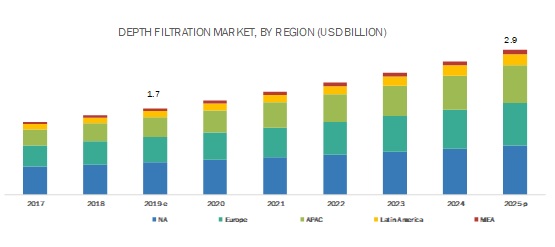
The Research Report on "The Research Report on "Depth Filtration Market by Media Type (Cellulose, Activated Carbon), Product (Capsule, Sheet, Module), Application(Final Product Processing (Biologics), cell Clarification, Viral Clearance, Operation Scale (Manufacturing, Lab) - Global Forecast to 2025", is estimated to grow from USD 1.7 billion in 2019 to USD 2.9 billion by 2025, at a CAGR of 9.0% during the forecast period.

The growth of Depth Filtration Market is majorly driven by factors such as the growing adoption of disposable filters and benefits such as ease of use and low cost of media and filters. However, factors such as the requirement of high capital investments for setting up production facilities are expected to restrain the growth of this market during the forecast period.

Recent Developments:

- In 2019, Sartorius opened manufacturing operations in Yauco, Puerto Rico, to increase its production capacity and deliver a wider array of products to its American customers directly.

- In 2019, Merck expanded its distribution capacity in Gillingham, UK.

- In 2019, Parker Bioscience Filtration, a part of Parker Hannifin, expanded its facilities at Birtley, UK

Download PDF Brochure: https://www.marketsandmarkets.com/pdfdownloadNew.asp?id=143876285

Depth Filtration Market


Industry Segmentation In Detailed:

Cartridge filters segment accounted for the largest share of the market.

Based on the product, segmented into cartridge filters, capsule filters, filter modules, filter sheets, plate and frame filters, accessories, and other products (includes caps, pads, pods, syringes, bags, and discs). The cartridge filters segment accounted for the largest share of the global depth filtration market in 2019. This can be attributed to the high dirt-holding capacity and long service life of these products.

Diatomaceous Earth segment accounted for the largest share of the depth filtration market.

Based on media, segmented into diatomaceous earth (DE), activated carbon, cellulose, perlite, and other media (glass fibers, quartz, borosilicate, and resin binders). The DE filters segment accounted for the largest share of 41.3% of the global depth filtration market in 2018. The large share of this segment is attributed to the high-quality filtration offered by DE and its wide range of applications in the pharmaceutical and biopharmaceutical industry.

Final Product Processing was the largest application segment in the depth filtration market in 2019

Based on the application, segmented into final product processing, cell clarification, raw material filtration, diagnostics, and viral clearance. The final product processing segment is further categorized as small-molecule processing and biologics processing. The raw material filtration market is further segmented into media & buffer filtration and bioburden testing. In 2019, the final product processing segment accounted for the largest share of the depth filtration market due to the, expansion in generics production and the demand for high-quality final products.

Request Sample Pages: https://www.marketsandmarkets.com/requestsampleNew.asp?id=143876285

Leading Key Players and Analysis:

The major companies operating in the global depth filtration market include Merck KGaA (Germany), Danaher Corporation (US), Sartorius AG (Germany), GE Healthcare (US), 3M (US), Parker Hannifin Corporation (US), Porvair Filtration Group (UK), ErtelAlsop (US), Amazon Filters Ltd. (UK), Meissner Filtration Products, Inc. (US), Donaldson Comany, Inc. (US), Eaton Corporation (Ireland).

Danaher Corporation (US) is the leading player in the global depth filtration market owing to its broad range of products in depth filtration. The sale of the company’s separation, filtration, and purification technologies have witnessed high demand from the biopharmaceutical industry in Western Europe, North America, and other high-growth markets, particularly in the Asia Pacific region. The company is focusing on expanding its presence in Europe and the Asia Pacific region to maintain its leadership position.

Merck KGaA (Germany) has over 50 years of expertise with leading products in the market. The company has been providing depth filters and media in this market through its Millistak, Clarisolve, and Opticap series. Merck has expanded its position as the most profitable technology and solutions supplier in the depth filtration industry by offering leading-edge products for biotechnology and pharmaceutical companies

Geographical Analysis in Detailed:

The global depth filtration market is segmented into four major regions, namely, North America, Europe, the Asia Pacific, Latin America, and Middle-East & Africa. In 2019, North America accounted for the largest share of 38.0% of the global market, followed by Europe, with a share of 29.2%. The large share of the North American region can be attributed to a large number of pharmaceutical and biotechnology companies in the region and the presence of a well-established healthcare market. The Asia Pacific market, on the other hand, is expected to register the highest growth during the forecast period. Factors such as increasing research and development by pharmaceutical companies in China, India, and Japan are likely to support the growth of this market.

Speak to Analyst: https://www.marketsandmarkets.com/speaktoanalystNew.asp?id=143876285

Friday, March 4, 2022

Global Allergy Diagnostics Market Size, Status, Overview and Future Forecast

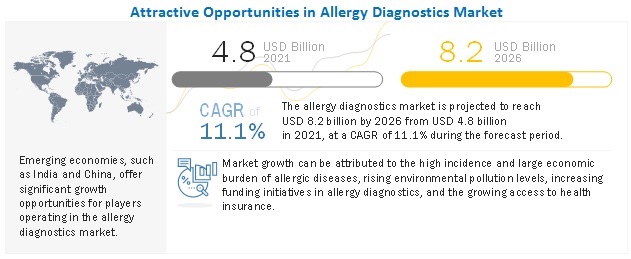
The Research Report on "Allergy Diagnostics Market by Product & Service (Consumables, Instruments (Immunoassay Analyzer, ELISA Analyzer, Luminometer), Service), Allergen (Food, Inhaled, Drug), Test Type (In Vivo, In Vitro), End User (Diagnostic Laboratories) - Global Forecast to 2026" published by MarketsandMarkets, is projected to reach USD 8.2 billion by 2026 from USD 4.8 billion in 2021, at a CAGR of 11.1% from 2021 to 2026.

Growth Drivers : Rising environmental pollution levels;

Exposure to indoor and outdoor air pollutants, allergens, and occupational exposure are the major risk factors causing chronic respiratory diseases. The prevalence of allergic disorders among the urban population is higher than those living in rural areas due to the higher exposure to environmental pollutants in cities (as a result of vehicular pollution and industrial activities).

As per the WHO, more than 80% of people living in urban areas are exposed to air quality levels that exceed the WHO safety limits; though this is a global trend, its effects are more severe in the urban areas of low-income countries. This is a major indicator for the growth of the allergy diagnostics market, as air pollution from motor vehicles has been indicated as one of the major risk factors responsible for allergic diseases.

Epidemiological and toxicological research reveals a causal relationship between air pollution and the increased incidence of asthma, allergic rhinitis, and other allergic disorders. Studies have also demonstrated a significant increase in the incidence and exacerbation of asthma in urban locations with elevated PM 2.5 (particulate matter of size 2.5 micrometers or less), nitrogen dioxide, and ozone concentrations.

Download PDF Brochure: https://www.marketsandmarkets.com/pdfdownloadNew.asp?id=232871701

Allergy Diagnostics Market

Industry Segmentation In Detailed:

“Consumables are expected to hold the largest share of the allergy diagnostics market”

Based on product & service, segmented into consumables, instruments, and services. In 2020, the consumables segment accounted for the largest share of the allergy diagnostics market. The large share of the consumables segment can be attributed to the increasing cases of allergies and the need for rapid tests to diagnose allergic conditions. The consumables segment is also expected to witness significant growth during the forecast period.

“In vivo tests are expected to hold the largest share of the allergy diagnostics market”

Based on test type, segmented into in vivo tests and in vitro tests. In 2020, the in vivo tests segment accounted for the largest share of the allergy diagnostics market. The growth of this segment is mainly driven by the increasing adoption of various in vivo tests, such as skin prick tests. These tests are dependable, safe, convenient, and cost-effective, as compared to in vitro tests.

“Inhaled allergens are expected to hold the largest share of the allergy diagnostics market”

Based on allergens, segmented into inhaled allergens, food allergens, drug allergens, and other allergens. In 2020, the inhaled allergens segment accounted for the largest share of the allergy diagnostics market due to the increasing environmental pollution and rising pollen coupled with other factors such as fungus, mold, and dust.

Request Sample Pages: https://www.marketsandmarkets.com/requestsampleNew.asp?id=232871701

Leading Key Players and Analysis:

The major players operating in Allergy Diagnostics Market are Thermo Fisher Scientific Inc., (US), Siemens Healthineers (Germany), Danaher (US), Omega Diagnostics Group PLC (UK), bioMérieux SA (France), Romer Labs Division Holding (Austria), EUROIMMUN Medizinische Labordiagnostika AG (Germany), HollisterStier Allergy (US), NEOGEN Corporation (US), Eurofins Scientific (Luxembourg), Minaris Medical America, Inc. (US), Stallergenes Greer (UK), HOB Biotech Group Corp., Ltd. (China), HYCOR Biomedical (US), R-Biopharm AG (Germany), AESKU.GROUP GmbH (Germany), ACON Laboratories, Inc. (US), Lincoln Diagnostics, Inc. (US), Astra Biotech GmbH (Germany), and Erba Group (UK).

Thermo Fisher Scientific Inc., a US-based company, is the leading player in the allergy diagnostics market, accounting for a share of 14.6% in 2020. The company’s strong position in the market can be primarily attributed to its product portfolio. Phadia instruments offered by the company are extensively used by laboratories and other healthcare settings for allergy testing. Besides, the company also has a strong geographic presence, which is the main factor for the company’s strong customer base. The company serves more than 400,000 customers in pharmaceutical and biotech companies, hospitals and clinical diagnostic labs, universities, research institutions and government agencies, as well as environmental, industrial quality and process control settings.

Geographical Analysis in Detailed:

“North America commanded the largest share of the allergy diagnostics market in 2021.”

The allergy diagnostic market is segmented into North America, Europe, Asia Pacific, Latin America, and the Middle East & Africa. In 2020, North America commanded the largest share of the allergy diagnostics market. The large share of North America can be attributed to the rising incidence of allergies, favorable reimbursement scenarios for allergy diagnosis, and the availability of supportive initiatives by associations.

Speak to Analyst: https://www.marketsandmarkets.com/speaktoanalystNew.asp?id=232871701


Thursday, March 3, 2022

Asia Pacific Single-cell Analysis Market worth $1,375 million by 2025 – Exclusive Report by MarketsandMarkets™

The Research Report on “Asia Pacific Single-cell Analysis Market by Cell Type (Human, Animal, Microbial), Product (Reagent, Assays, Instruments), Technique (Flow Cytometry, NGS, PCR), Application (Cancer, Stemcell, IVF), End User (Academic, Research Labs) – Forecast to 2025″, is projected to reach USD 1,375 million by 2025 from USD 550 million in 2020, at a 20.1% CAGR.

Growth Opportunity: High growth potential of single-cell sequencing;

Single-cell sequencing (SCS) helps understand the transcriptional stochasticity and cellular heterogeneity in more detail. It assists in the investigation of small groups of differentiating cells and circulating tumor cells. It also demonstrates the heterogeneity of gene expressions, interaction and regulations of gene regulatory networks, characteristics of putative cancer stem cells, gene expression profiles of intracellular compartments, mRNA locations, and allele-specific gene expression. Advancements in single-cell sequencing have improved the detection and analysis of infectious disease outbreaks, antibiotic drug-resistant strains, food-borne pathogens, and microbial diversities in the environment.

Download PDF Brochure: https://www.marketsandmarkets.com/pdfdownloadNew.asp?id=257201069


Industry Segmentation In Detailed:

The consumables segment accounted for the largest share of the Asia Pacific single-cell analysis market.

Based on product, the APAC single-cell analysis market is segmented into consumables and instruments. The consumables segment accounted for the largest shareof the APAC single-cell analysis market in 2019. The frequent purchase of these products as compared to instruments, which are considered as a one-time investment, and their wide applications in research and genetic exploration, exosome analysis, and isolation of RNA and DNA are the major factors driving this segments growth.

Animal cells segment to register the highest growth rate during the forecast period

The Asia Pacific single-cell analysis market is segmented into human cells, animal cells, and microbial cells based on cell type. In 2019, the animal cells segment accounted for the highest growth rate. This can be attributed to the growth in the pharmaceutical industry and rising investments in animal cell research.

Request Sample Pages: https://www.marketsandmarkets.com/requestsampleNew.asp?id=257201069

Leading Key Players and Analysis:

The major players operating in this market are Becton, Dickinson and Company (US), Danaher Corporation (US), Merck Millipore (US), QIAGEN N.V. (Netherlands), Thermo Fisher Scientific, Inc. (US), General Electric Company (US), Promega Corporation (US), Illumina, Inc. (US), Bio-Rad Laboratories (US), Fluidigm Corporation (US), Agilent Technologies, Inc. (US), Tecan Group Ltd. (Switzerland), Sartorius AG (Germany), Luminex Corporation (US), Takara Bio (Japan), 10x Genomics (US), Fluxion Biosciences (US), Menarini Silicon Biosystems, Inc. (Italy), bioMérieux SA (France), Oxford Nanopore Technologies (UK), Cytek Biosciences (US), Corning Incorporated (US), Apogee Flow Systems Ltd. (UK), NanoCellect Biomedical (US), and On-chip Biotechnologies Co., Ltd. (Japan).

Danaher Corporation accounted for the second-largest share of the Asia Pacific single-cell analysis market in 2019. The company offers a broad range of products in the single-cell analysis market, including flow cytometers, cell counters, mass spectrometers, reagents, and kits. The company adopts the strategies of product launches and acquisitions. Over the years, Danaher has acquired several players operating in the single-cell analysis market, such as Beckmann Coulter and Molecular Devices.

Geographical Analysis in Detailed:

The APAC single-cell analysis market is segmented into Japan, China, India, South Korea, Singapore, Australia, Southeast Asia, and the Rest of Asia Pacific. In 2019, Japan accounted for the largest share of the Asia Pacific single-cell analysis market. This can be attributed to the rising geriatric population, increasing government initiatives to promote life science research, increasing investments in biotech R&D, and the growing focus on personalized medicine.

Speak to Analyst: https://www.marketsandmarkets.com/speaktoanalystNew.asp?id=257201069

Wednesday, March 2, 2022

Heart Pump Device Market - Segmentation, Geographical Analysis & Major Key Players

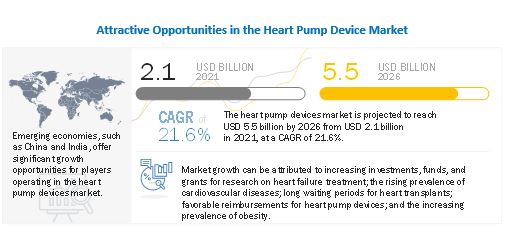
The Research Report on “Heart Pump Device Market by Product (Ventricular Assist Devices (LVAD, RVAD, BiVAD, and pVAD), Intra-aortic Balloon Pumps, TAH), Type (Extracorporeal and Implantable Pumps), Therapy (Bridge-to-transplant, Destination Therapy) – Global Forecast to 2026“, is projected to reach USD 5.5 billion by 2026 from USD 2.1 billion in 2021, at a CAGR of 21.6% from 2021 to 2026.

Growth Opportunity: Development of non-invasive, portable, and advanced fetal monitors

The heart pump devices market consists of various companies with products in the developmental phase. Companies with products in the pipeline focus on developing innovative solutions, which can accelerate the growth of the market.

For instance, the TAH industry is a dynamic area of device innovation and is anticipated to witness a surge in the number of launches and approvals in the coming years. The below table lists the TAHs in the pipeline and their respective stages.

A similar trend is witnessed in the VAD industry, with players developing innovative products in the market. Various manufacturers in the field aim to commercialize their VADs in the market in the coming years. For instance, UK-based Calon Cardio-Technology Ltd. aims to receive the CE Mark for its MiniVAD around early 2024, by which time a US FDA Early Feasibility Study is due to have been completed. The company seeks to raise investments of nearly USD 47 million (£34 million) to USD 60 million (£43 million) to fund its clinical studies of the MiniVAD in the US and Europe from 2020 to 2023. Similarly, the PERKAT RV right heart pump, manufactured by Germany-based NovaPump GmbH, is the only cardiac support that works percutaneously, pulsatile and self-expanding. With a successful round A funding, the company aims to participate in clinical trials and advance in R&D collaborations to accelerate the launch of its product.

Download PDF Brochure: https://www.marketsandmarkets.com/pdfdownloadNew.asp?id=237125725

Heart Pump Device Market

Industry Segmentation In Detailed:

Ventricular assist devices are expected to hold the largest share of the heart pump device market,

Based on products, segmented into ventricular assist devices, intra- aortic balloon pumps, and total artificial hearts. Ventricular assist devices are the largest and fastest-growing segment in this market. Growth in this segment can primarily be attributed to technological advancements, the shortage of organ donors, and the increasing prevalence of heart failure globally.

Implantable heart pump devices are expected to hold the largest share of the heart pump device market

Based on type,  segmented into implantable heart pump devices and extracorporeal heart pump devices. In 2020, implantable heart pump devices accounted for the largest share of this market, due to the introduction of innovative products by leading players and the rising need for an efficient solution to manage heart failure.

Bridge-to-transplant is expected to hold the largest share of the heart pump device market.

Based on therapy, segmented into bridge-to-transplant (BTT), bridge-to-candidacy (BTC), destination therapy (DT), and other therapies. In 2020, the BTT segment accounted for the largest share of this market. Growing awareness about transplantation and the availability of VADs for BTT have propelled the growth of this segment.

Request Sample Pages: https://www.marketsandmarkets.com/requestsampleNew.asp?id=237125725

Leading Key Players and Analysis:

The major players operating in heart pump device market are Abbott Laboratories (US), Abiomed (US), Medtronic (Ireland), Teleflex Incorporated (US), SynCardia Systems (US), Fresenius Medical Care AG & Co. KGaA (Germany), Getinge (Sweden), CardiacAssist, Inc. (US), Berlin Heart (Germany), Jarvik Heart, Inc. (US), CARMAT (France), SENKO MEDICAL INSTRUMENT Mfg. CO., LTD. (Japan), Angiodroid (Italy), CardioDyme (US), and World Heart Corporation (US).

Geographical Analysis in Detailed:

Europe commanded the largest share of the heart pump device market in 2021.

The global market is segmented into North America, Europe, Asia Pacific, and the Rest of the World. In 2020, Europe commanded the largest share of the heart pump devices market. The large share of this market segment can be attributed to the rising adoption of heart pump devices, the high prevalence of CVDs, the growing number of research activities to improve current technologies, and the limited availability of donor hearts for transplants.

Speak to Analyst: https://www.marketsandmarkets.com/speaktoanalystNew.asp?id=237125725